In the aftermath of the murder of Indore man Raja Raghuvanshi in Shillong, the Meghalaya government is considering a significant overhaul of the ‘Meghalaya Residents Safety and Security Act (MRSSA), 2016′ — a law originally intended to regulate the influx of non-residents and protect indigenous populations.
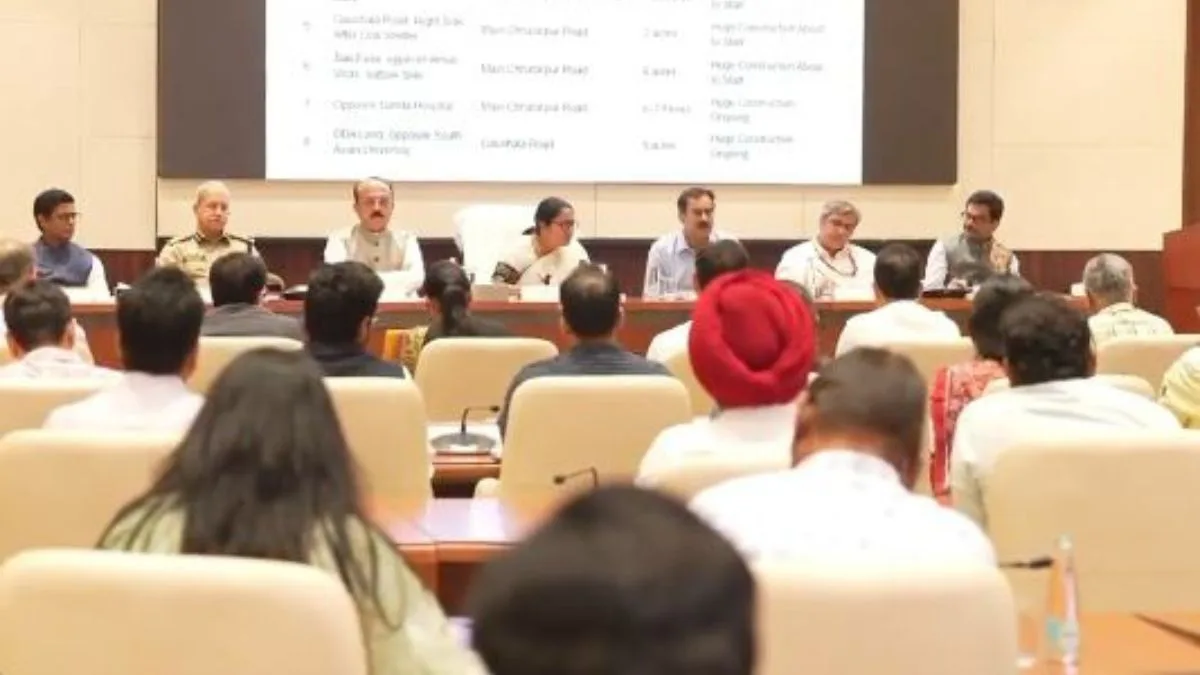
Cabinet Minister Alexander Laloo Hek, addressing a press briefing, said the state cabinet had met to deliberate on the security implications of the recent crime, which involved tourists.
Advertisement
“We had a cabinet meeting where we discussed the recent murder case, and a very important decision was taken — that we need to revisit the MRSSA. It is crucial to monitor who is coming from outside, especially tourists,” Hek said.
Under the proposed changes, the government is likely to mandate compulsory registration for all non-residents — including tourists — who stay in hotels, homestays, guesthouses, or any temporary accommodation.
The goal, officials say, is to strengthen tracking mechanisms and enhance public safety, particularly in a state that attracts thousands of domestic and international visitors annually.
The move follows public outcry over security lapses after the decomposed body of Raja Raghuvanshi, a tourist from Indore, was recovered from a forest near Cherrapunji. Investigations revealed that he had been murdered in what authorities describe as a “pre-planned and organised” crime, allegedly masterminded by his wife, Sonam Raghuvanshi, and her accomplices.
The MRSSA was first enacted in 2016 amid rising concerns over illegal immigration and unchecked entry into the tribal areas of Meghalaya. It empowers local authorities to verify the identity of tenants, regulate outsiders’ stay in tribal regions, and collect relevant details to maintain public order. However, the Act has faced criticism for its limited enforcement and concerns over privacy and bureaucratic delays.
Further details about the amendments to the MRSSA are expected in the coming days, as consultations among legal experts and cabinet members continue. The government is also exploring digital platforms for real-time tourist registration and verification, a step that would modernise monitoring without disrupting the visitor experience.